
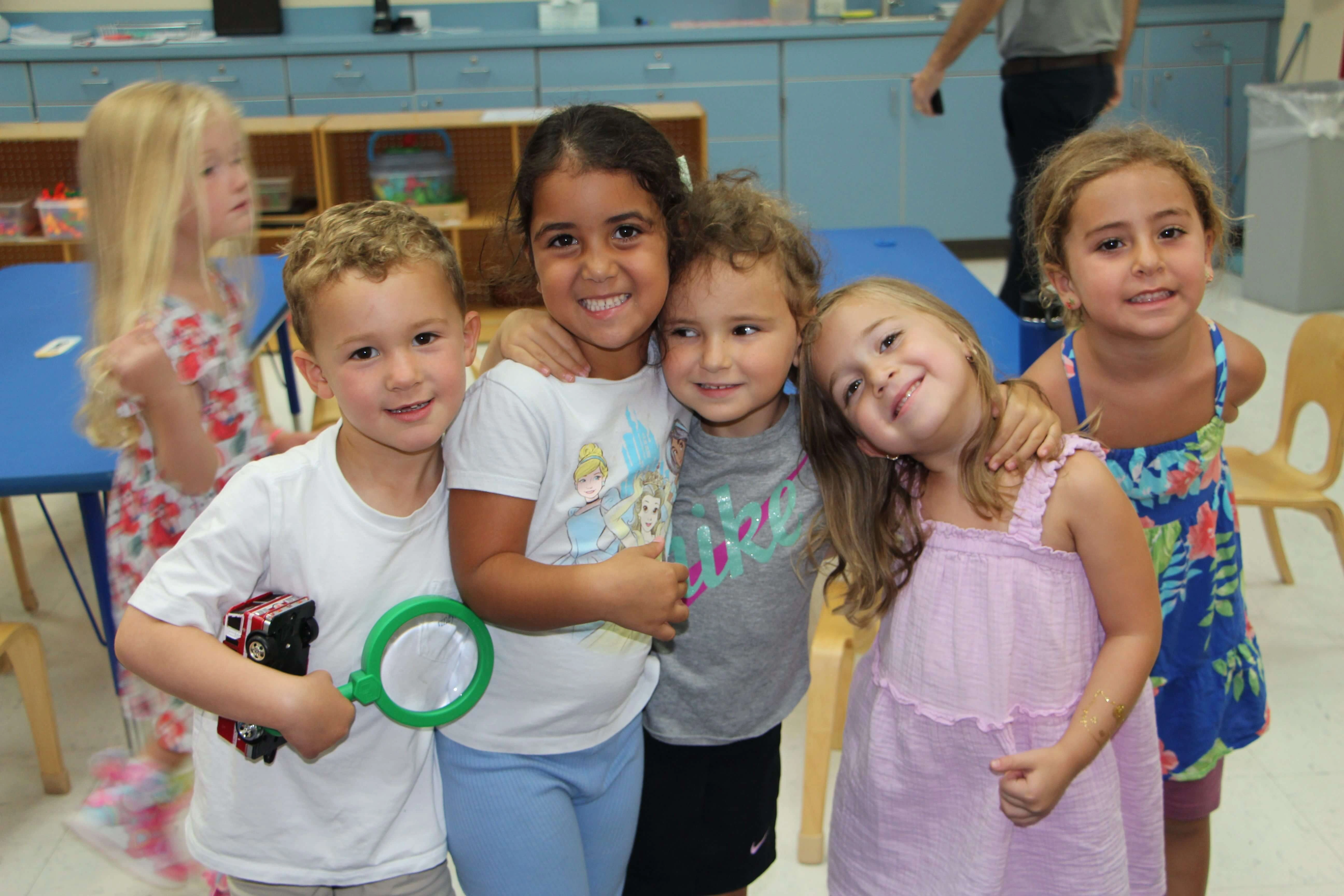
The end of the school day doesn’t always mean the end of a child’s need for structure. In fact, it’s often when they need it most. As children transition out of the classroom and into their afternoon hours, the environment they enter plays a key role in shaping their emotional well-being and daily development. That’s where aftercare at the Mandel JCC of the Palm Beaches comes in.
Far more than just a place to wait for pickup, JCC aftercare offers a secure and predictable routine that cultivates confidence, independence, and calmness. For working parents, it brings peace of mind.
For children, it offers a nurturing extension of the school day—one built on rhythm, safety, and familiar faces. That sense of continuity can make afternoons feel less rushed and more intentional.
The Need for Structure After the School Day Ends

Transitions Can Be Challenging
After school, children are often running on low energy and high emotion. They've navigated social dynamics, academic tasks, and busy schedules. The transition from the structure of school to the freedom of home—or an aftercare setting—can lead to emotional spillover. Small frustrations can seem disproportionately large at this point in the day.
Without predictable routines, the end of the day can feel chaotic. Kids may act out, struggle to focus, or become overly tired. JCC Aftercare offers a soft landing: a structured yet warm environment that helps children decompress while staying grounded. The predictability allows them to reset emotionally before heading home.
Routine Builds Emotional Security
Children thrive when they know what to expect. Predictable routines give them a sense of control in an otherwise unpredictable world. At JCC aftercare, the structure of the afternoon—snack, homework help, free play, enrichment activities, and closing circle—creates an environment of calm and confidence.
Consistency helps reduce anxiety. It also builds trust. When children know the daily rhythm, they can relax into the moment, engage more fully, and feel safer expressing themselves. Over time, this security supports stronger emotional regulation.
How Routine Encourages Confidence
Independence Through Repetition
When children follow the same steps each day, they learn what’s expected—and what they’re capable of. Putting away backpacks, signing in, choosing a snack, or settling in for homework help—all of these simple routines build autonomy.
Over time, these small moments create a foundation of self-reliance. Children begin to anticipate their needs, plan their time, and take responsibility for their choices. These skills quietly reinforce confidence, especially for younger children learning to manage transitions.
Encouraging Positive Decision-Making
With a familiar schedule, kids are free to focus on decisions that matter. Should I join the art table or play outside today? Do I want to help with the Shabbat setup or finish my math worksheet first?
Routine frees up mental space for creative exploration and emotional growth. It allows children to make choices from a place of calm rather than overwhelm. These confident decisions have a ripple effect on their school life, friendships, and self-image, ultimately supporting long-term self-esteem.
Enriching the Afternoon with Purpose
More Than Just Supervision
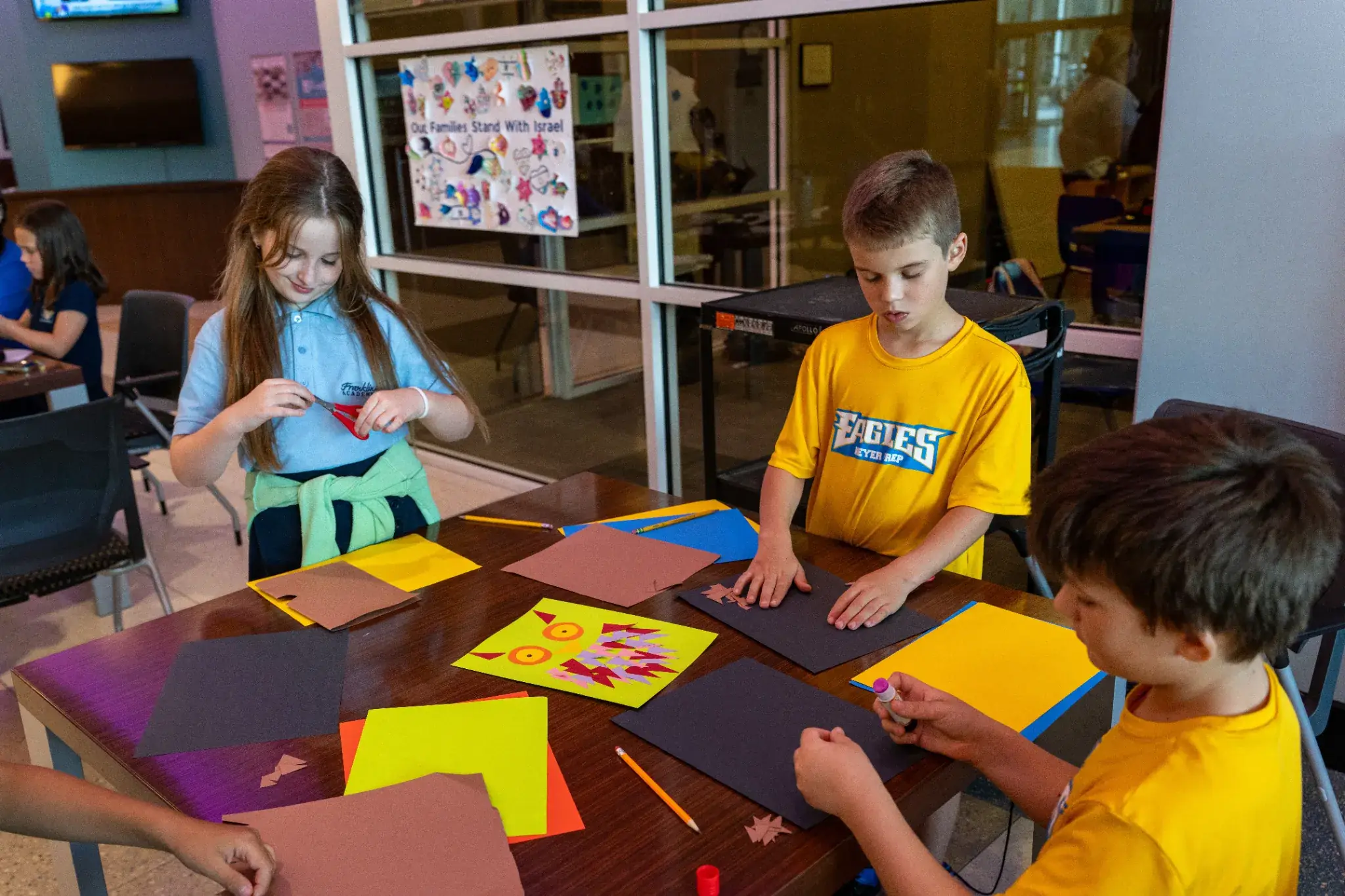
Aftercare is not about passing time. It’s about making time count. Programs often include enrichment opportunities like:
- Arts and crafts
- Group games
- Physical activity
- Jewish cultural programming
- Community-building activities
These structured elements blend seamlessly with open play, giving children both freedom and support. The balance helps maintain engagement without overstimulation.
Integrated Jewish Values
In a JCC setting, aftercare often includes elements of Jewish culture and tradition. Weekly Shabbat celebrations, mitzvah projects, and Hebrew songs may be part of the experience. These small rituals bring rhythm and meaning to each week, helping children mark time in a comforting way.
By embedding values such as kindness (chesed), responsibility (achrayut), and community (kehillah) into the daily routine, Aftercare becomes more than a program—it becomes a space for character development and connection.
The Role of Trusted Adults
Staff as Anchors of Consistency
Routine works best when it’s reinforced by familiar, caring adults. At aftercare, staff often work across multiple programs—camp, preschool, enrichment classes—which means they know the children well and understand their needs.
This continuity helps kids feel seen and supported. Staff set expectations, provide gentle guidance, and offer encouragement throughout the day. Their presence makes transitions smoother and the routine more meaningful.
Mentorship and Modeling
Children watch and learn. Staff members who model patience, communication, and consistency create an environment that naturally supports emotional development. Through daily interactions, they guide children in managing conflict, building friendships, and expressing themselves in healthy ways—skills that extend well beyond aftercare hours.
Aftercare as a Bridge Between School and Home
A Calming Transition for Families
When parents pick up their child from aftercare, they’re greeted by someone who knows their child’s mood, energy, and successes that day. Staff can share insights, offer support, or simply provide a sense of continuity between school and home.
This bridge gives families an opportunity to extend the benefits of aftercare into the evening—whether by reinforcing routines or continuing conversations started earlier in the day.
Consistent aftercare routines also help parents maintain their own schedules with confidence, knowing their children are supported in a safe and familiar environment.
A Familiar Place for Continued Growth
Many children who attend aftercare also participate in other JCC programs—camp, preschool, or family events. That overlap creates a consistent community. Children from diverse backgrounds and experiences come together in a welcoming environment where everyone is encouraged to participate, contribute and belong.
Children recognize the spaces, the values, and the people. That familiarity supports confidence and a strong sense of belonging.

Structure Matters in JCC Aftercare
Predictable afternoons help children feel safe, capable, and confident. They support emotional regulation, encourage independence, and provide a framework for learning and play. Within that structure, kids are free to grow—socially, emotionally, and culturally.
JCC Aftercare isn’t just a convenience for busy families. It’s a meaningful part of the day, rooted in care, routine, and connection. Through thoughtful structure and trusted relationships, it becomes a space where children thrive. Routines teach children how to navigate their world with confidence, providing them with the tools to handle transitions, build friendships, and take pride in their responsibilities.
Families gain a trusted extension of home. Children gain a stable, nurturing community that meets them where they are and helps them build toward who they’re becoming.
To learn more about how aftercare programming can support your child’s development in a structured and enriching environment, reach out to the Mandel JCC of the Palm Beaches and ask about their after-school offerings designed with growing minds and busy families in mind.